
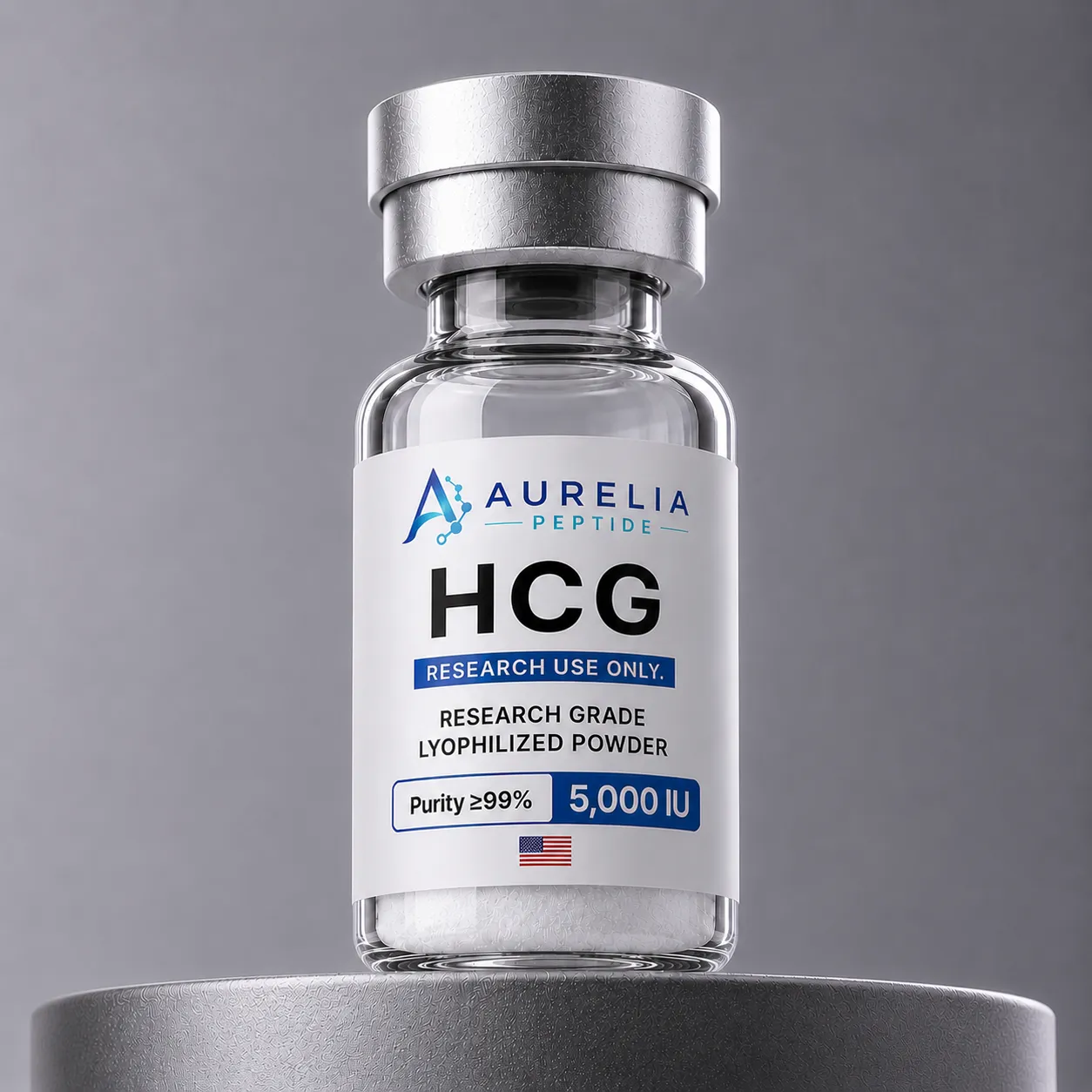
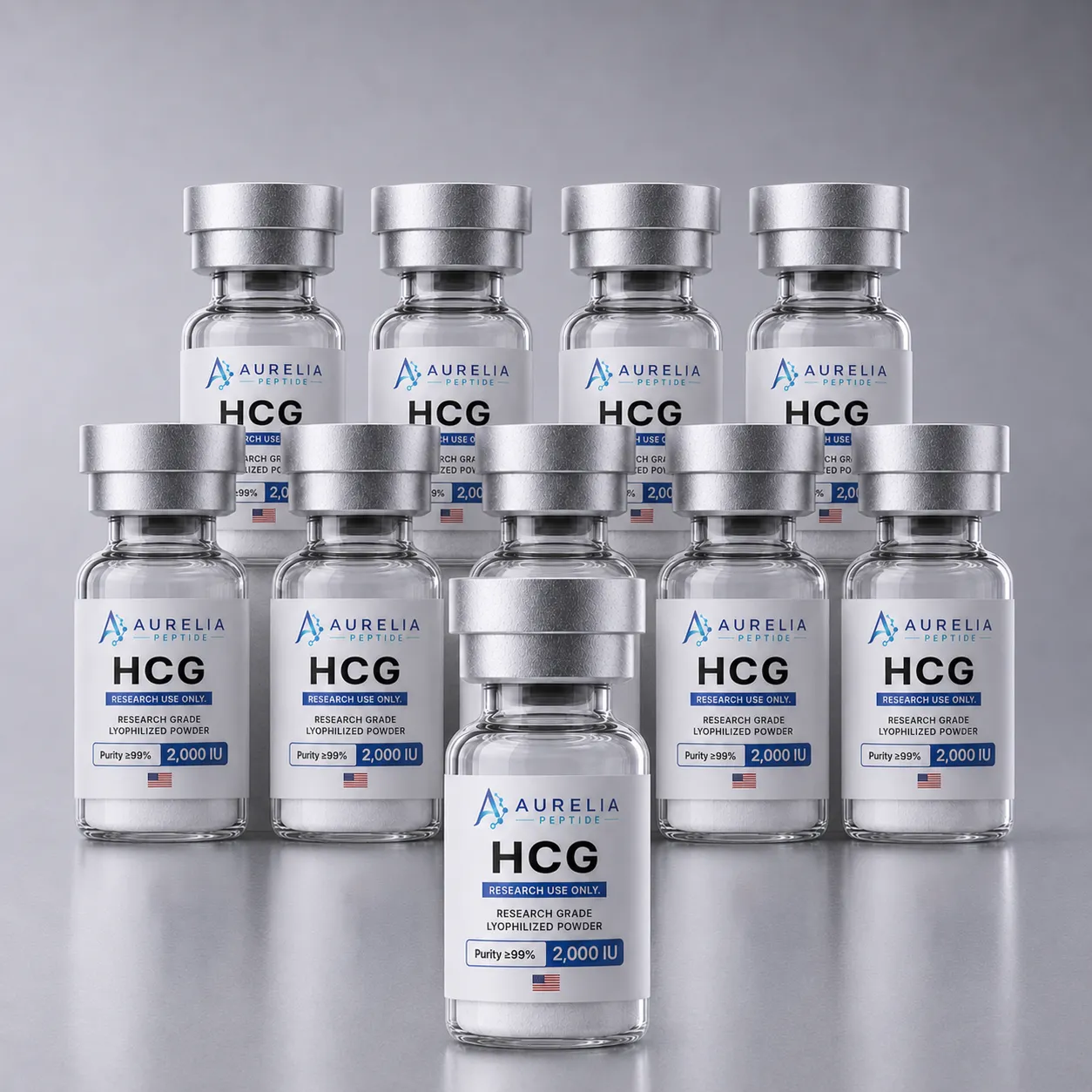
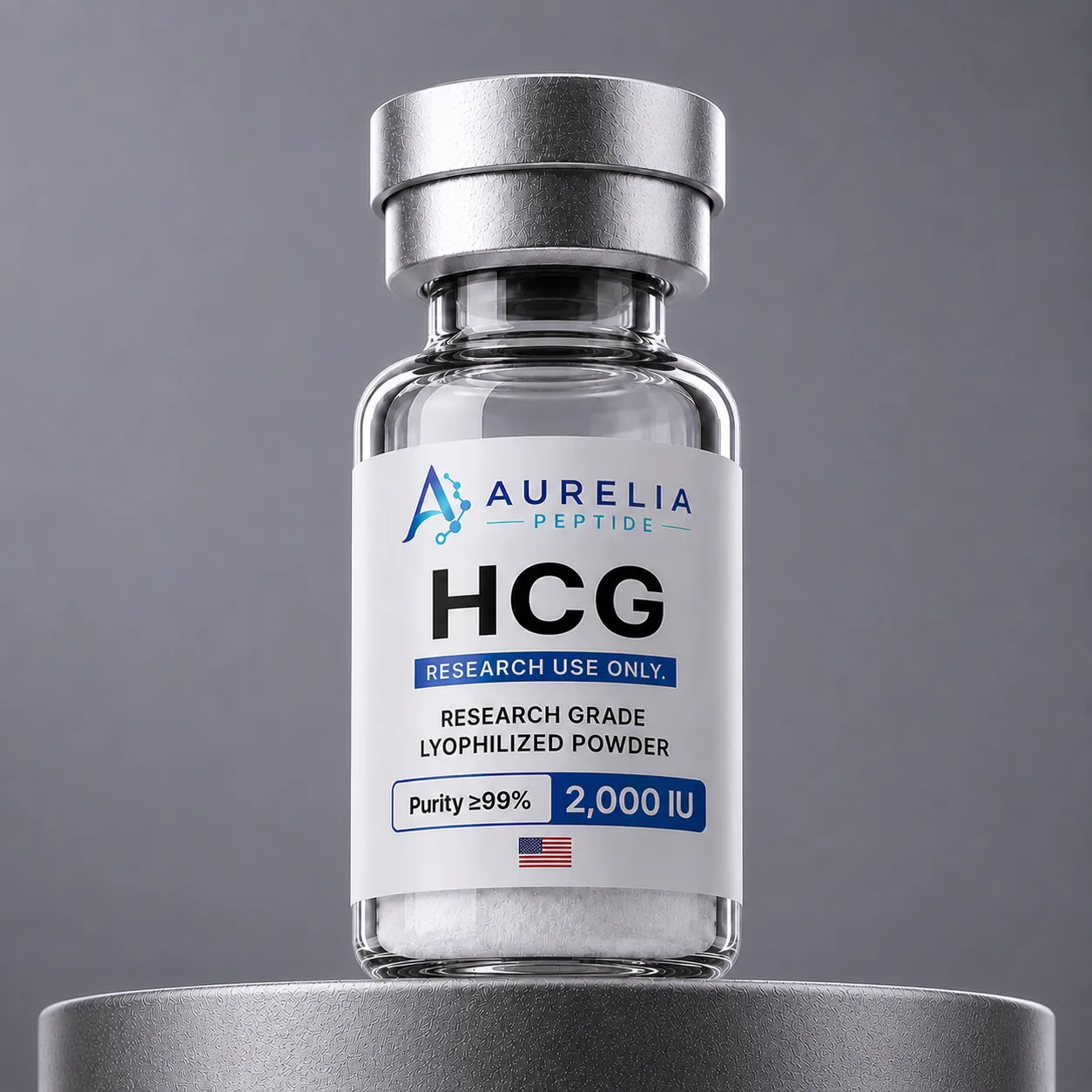
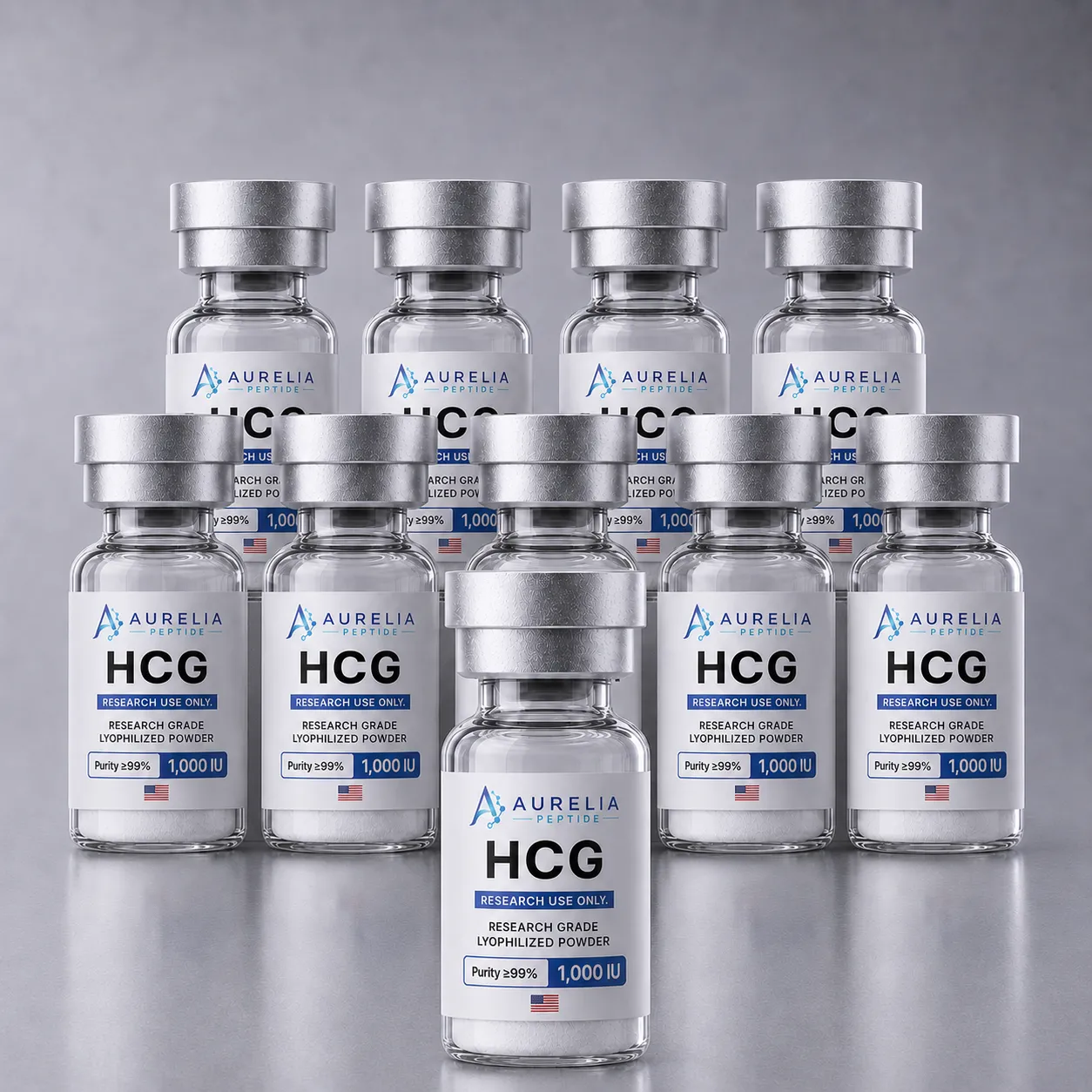
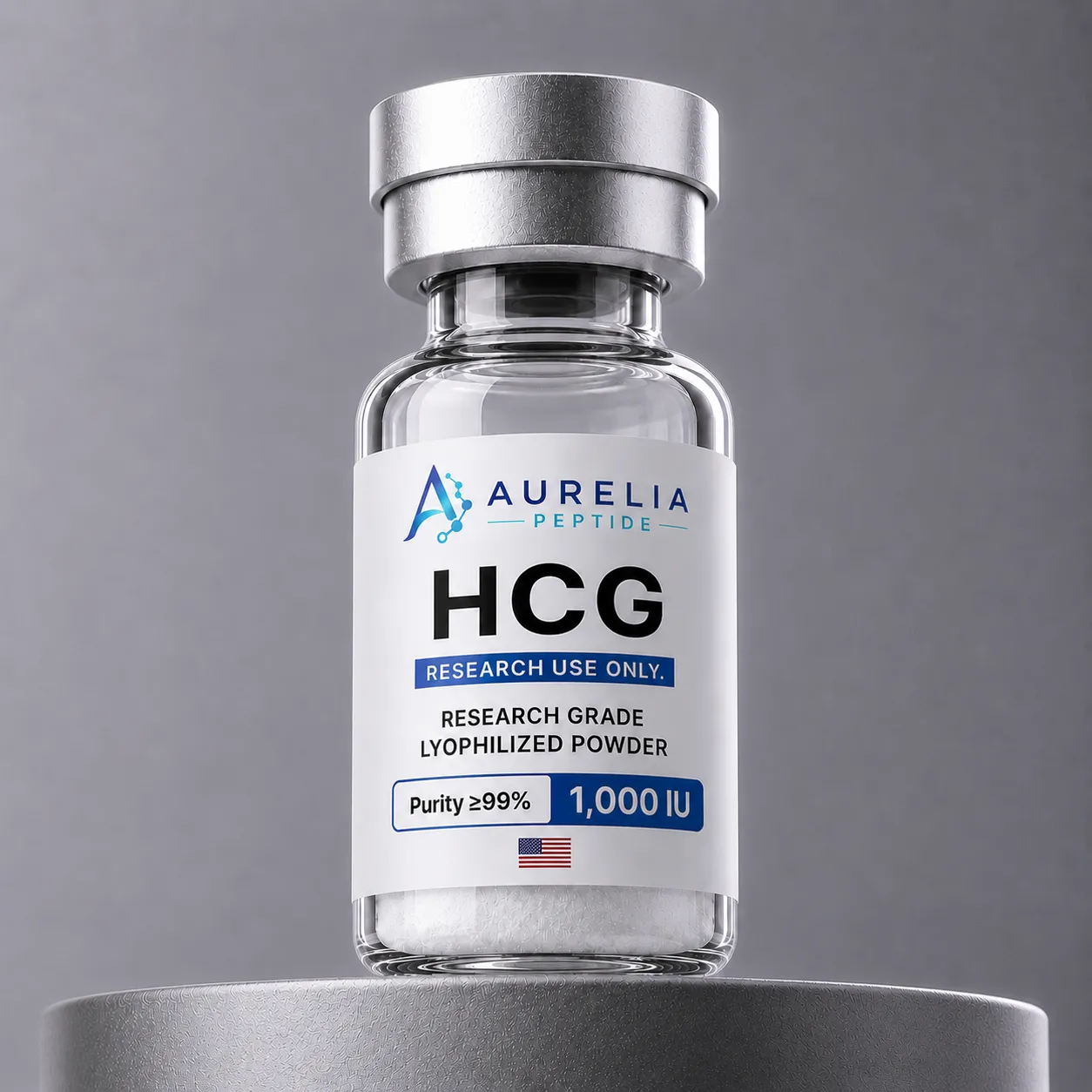
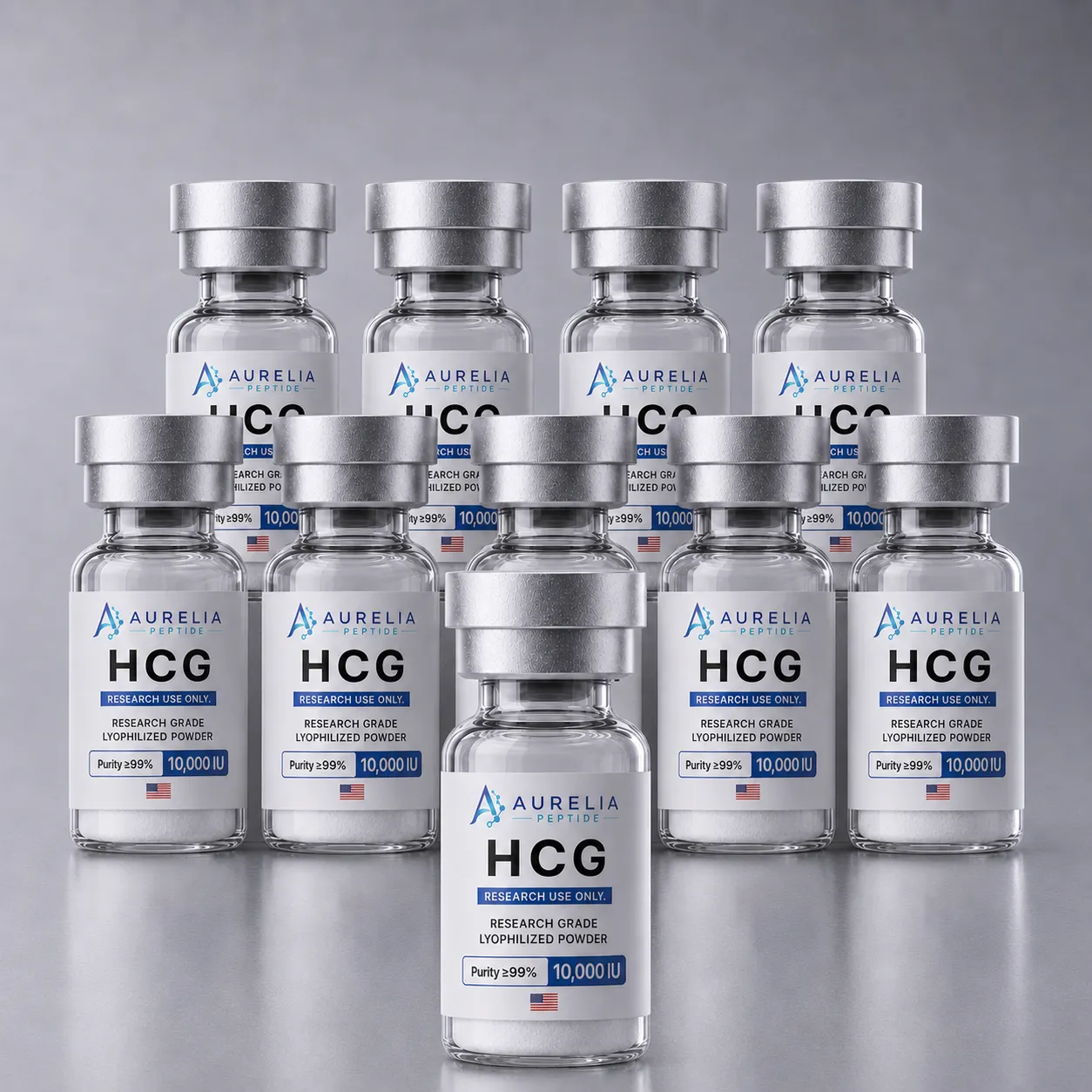
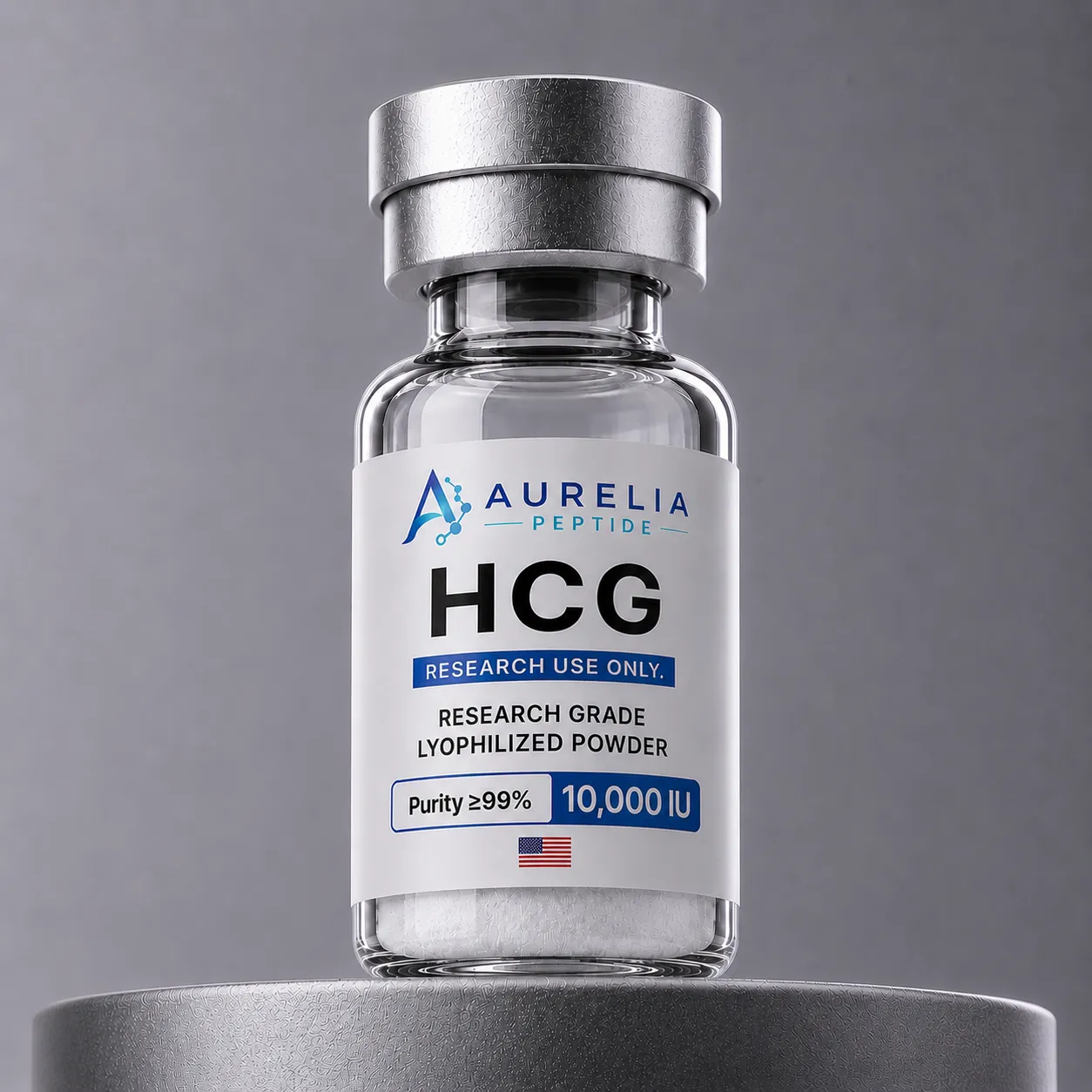
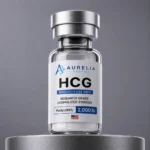
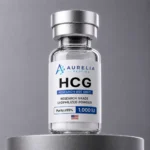
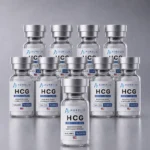
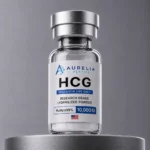
HCG
A heterodimeric glycoprotein hormone studied in LHCGR signaling, steroidogenesis and reproductive biology
- Fulfillment Origin
- us
Human chorionic gonadotropin is a two-subunit glycoprotein hormone composed of a shared alpha subunit and an hCG-specific beta subunit. Laboratory research uses hCG to examine LH/hCG receptor signaling, cyclic-AMP recruitment, steroidogenic enzyme regulation, Leydig-cell function and reproductive biology. This dossier is intended only for in-vitro research reference.
Heterodimeric α/β glycoprotein hormone · LHCGR agonist
- Formula
- C1105H1770N318O336S26 (intact heterodimer, approximate)
- Molecular weight
- ≈36,700 Da
- Form
- Lyophilized powder
- CAS / ID
- 9002-61-3
Independently tested. Verifiably pure.
Every batch of HCG is reviewed against its independent laboratory documentation before fulfillment.
- HPLC Purity AnalysisReported purity: Lot-specific purity and potency — see COA
- Mass SpectrometryLot-specific identity result — see COA
- Heavy Metals ScreeningLot-specific result — see COA
- Endotoxins (LPS)Lot-specific result — see COA
- Sterility TestingLot-specific result — see COA
- Net Peptide ContentLot-specific result — see COA
- HPLC Purity
- Lot-specific purity and potency — see COA
- Identity
- Lot-specific identity result — see COA
- Endotoxin (LAL)
- Lot-specific result — see COA
- Lab
- Independent third-party laboratory
Not for human or veterinary use. For in-vitro laboratory research only. This product is not intended to diagnose, treat, cure, or prevent any disease.
Two glycoprotein subunits acting as one reproductive-signaling hormone.
HCG contains an alpha subunit shared with other glycoprotein hormones and a beta subunit that provides its characteristic biological identity. The mature heterodimer is glycosylated and signals through the LH/hCG receptor.
Heterodimeric glycoprotein
The functional hormone is assembled from noncovalently associated alpha and beta subunits.
α92 + β145 residues
A total of 237 amino-acid residues before considering attached carbohydrate structures.
LHCGR and steroidogenesis
Widely used to study receptor signaling, cAMP recruitment and gonadal steroid production.
The HCG heterodimer visualized.
The animated model represents the alpha and beta subunits, their glycoprotein architecture and their association into one functional signaling complex.
Published research areas associated with HCG.
The summaries below describe established laboratory research themes and are not directions for administration or clinical use.
LH/hCG receptor signaling
HCG is a standard reference ligand for studying activation and signaling bias at the shared LH/hCG receptor.
Intracellular signal recruitment
Receptor activation is commonly evaluated through cAMP production and downstream kinase signaling.
Cholesterol transport and hormone synthesis
Leydig-cell research examines StAR-mediated cholesterol transfer and the steroidogenic enzyme cascade.
HCG signaling pathways visualized.
The animated pathway map follows the signal from receptor binding through cAMP production, mitochondrial cholesterol transport and steroidogenic enzyme activity.
LH/hCG receptor activation
HCG binds LHCGR at the cell surface and activates G-protein-coupled receptor signaling.
Second-messenger amplification
Adenylyl cyclase activation raises cAMP and engages protein-kinase-dependent signaling.
Cholesterol transfer
StAR facilitates movement of cholesterol into mitochondria, a regulated step in steroid biosynthesis.
Steroidogenesis
Sequential enzyme activity converts cholesterol-derived intermediates into downstream steroid products.
How HCG differs from luteinizing hormone.
HCG and LH act through the same receptor but differ in glycosylation, circulating persistence and early signaling behavior. These distinctions make them useful comparative ligands in receptor-pharmacology research.
Longer-lived glycoprotein signal
Additional glycosylation contributes to a larger and more persistent circulating hormone.
Endogenous pituitary ligand
LH is the physiologic pituitary signal acting through the same receptor.
LHCGR
Both ligands activate the LH/hCG receptor while producing distinguishable signaling kinetics.
| Ligand | Primary source | Shared receptor | Research distinction |
|---|---|---|---|
| HCG | Placental glycoprotein hormone | LHCGR | Greater glycosylation and distinct signaling kinetics |
| LH | Pituitary glycoprotein hormone | LHCGR | Physiologic gonadotropin with shorter persistence |
Research emphasis visualized.
These bars summarize the principal experimental uses of HCG and are not quantitative binding-affinity measurements.
HCG exposure depends on glycosylation, formulation and study design.
HCG is a complex glycoprotein rather than a short synthetic peptide. Exposure and biological activity vary with glycoform distribution, formulation, assay system, route and species.
Carbohydrate structures influence behavior
Glycosylation affects receptor interaction, stability and clearance.
IU and mass are not interchangeable
HCG products are often characterized by biological potency in international units rather than mass alone.
Use potency documentation
Identity, biological potency and net content should be verified against the actual lot COA.
Full specification.
The fields below describe the compound identity. Final potency and analytical values must match the actual Aurelia lot documentation.
Human Chorionic Gonadotropin
A reproductive glycoprotein hormone commonly abbreviated hCG.
Heterodimeric α + β glycoprotein
Two associated subunits with carbohydrate modifications.
237 residues
Alpha subunit 92 residues plus beta subunit 145 residues.
C1105H1770N318O336S26
Approximate intact heterodimer composition.
≈36,700 Da
Apparent mass varies with glycosylation.
9002-61-3
Common HCG identifier.
Variation-specific IU
Confirm each Aurelia vial potency against the label and lot COA.
See lot COA
Confirm identity, potency, purity, sterility, endotoxin and net content.
From receptor engagement to steroidogenic output.
This is an illustrative mechanistic sequence, not a dosing or treatment timeline.
LHCGR binding
HCG engages the extracellular domain of the LH/hCG receptor.
cAMP signal generation
G-protein signaling activates adenylyl cyclase and increases intracellular cAMP.
StAR-mediated transport
Cholesterol is transferred into mitochondria through regulated steroidogenic machinery.
Enzyme-cascade response
Steroidogenic enzymes process cholesterol-derived intermediates into downstream steroid products.
Handle as a sensitive glycoprotein hormone.
Follow the storage instructions and validated handling conditions supplied for the actual Aurelia lot.
Cold, dry and protected
Protect from moisture, direct light, heat and repeated temperature cycling.
Activity is time-dependent
Solution stability depends on diluent, concentration, container, temperature and contamination control.
Preserve protein conformation
Avoid vigorous agitation and conditions that may promote denaturation or adsorption.
- Record the lotLink every experiment to the vial identifier and corresponding COA.
- Use validated storageFollow the lot-specific temperature and light-protection instructions.
- Minimize agitationHandle gently to reduce foaming and protein denaturation.
- Document preparationRecord diluent, concentration, container, temperature and elapsed hold time.
For in-vitro laboratory research only. Not for human or veterinary use.
HCG literature library.
The publications below provide context for Leydig-cell function, receptor signaling, endoplasmic-reticulum stress and biased agonism.
Research examining how HCG-related preparations influence Leydig-cell steroidogenic activity.
View primary source →Comparative work demonstrating distinct early signaling profiles at the shared receptor.
View primary source →Research evaluating ER-stress responses and changes in steroidogenic enzyme expression.
View primary source →Research comparing ligand-dependent signaling patterns at LH and LH/CG receptors.
View primary source →References.
Independent literature supporting the molecular and mechanistic context used in this dossier.
- Effect of Human Chorionic Gonadotropin Derivatives on Leydig Cell Function. Hormone Research. 2001.Open source ↗
- Riccetti L et al. Human LH and hCG stimulate differently the early signalling pathways but result in equal testosterone synthesis in mouse Leydig cells in vitro. 2016.Open source ↗
- Park SJ et al. hCG-induced endoplasmic reticulum stress triggers apoptosis and reduces steroidogenic enzyme expression in Leydig cells. 2014.Open source ↗
- Human luteinizing hormone and chorionic gonadotropin display biased agonism at LH-family receptors. Scientific Reports. 2017.Open source ↗
Related products
Kisspeptin